
Table of Contents
ToggleAir Duct Cleaning Pros and Cons Before You Book
Most experts agree that air ducts should be cleaned every 3 to 5 years—but depending on your home and health, you might need it done much sooner. From hidden mold to allergy triggers, dirty ductwork can quietly affect your comfort and air quality without realizing it. That’s why so many homeowners are now weighing air duct cleaning pros and cons before making the call.
In this blog, we’ll discuss the real benefits and potential downsides of duct cleaning so you can decide if—and when—it’s the right move for your home.
Air Duct Cleaning Pros and Cons
Air duct cleaning has become one of the most debated home maintenance services because its benefits vary depending on your home’s condition, air quality, and service provider. Some homeowners report noticeable improvements in airflow and allergy symptoms, while others feel they wasted money on unnecessary or poorly done work.
With so many conflicting experiences and misinformation online, it’s easy to be unsure whether duct cleaning is worth it. That’s why learning the pros and cons for yourself is essential before booking the service.
The Advantages of Duct Cleaning
While duct cleaning isn’t always essential, there are clear benefits when done right and at the right time. Some of the most practical advantages of keeping your ductwork clean include:
Cleaner Indoor Air
Over time, dirty air ducts collect dust, pet dander, and airborne contaminants that get pushed back into your living space. Regular cleaning helps reduce what you breathe in, especially if your home hasn’t had a duct cleaning in years.
Fewer Allergy Triggers
If someone in your home has allergies or asthma, even small buildups in the ductwork can trigger symptoms. Duct cleaning helps remove allergens like pollen, mold spores, and dust mites that may otherwise circulate with every HVAC cycle. This can lead to fewer flare-ups and more consistent indoor comfort.
Lower Energy Bills
Dust and debris restrict airflow, forcing your HVAC system to work harder to heat or cool your home. Clean ducts allow air to move freely, reducing the energy needed to maintain your desired temperature. This added efficiency can lower your utility costs over time.
Improved HVAC Efficiency
When dirty ductwork obstructs airflow, it strains your HVAC system. A clean system runs more smoothly and efficiently, avoiding unnecessary short cycling or temperature imbalances. That means better performance with less effort.
Longer System Lifespan
The harder your HVAC system has to work, the quicker its components wear out. Removing debris from the ducts can reduce wear and tear on motors and fans, helping extend the entire system’s life. It’s a smart move for long-term savings and fewer surprise breakdowns.
The Disadvantages of Duct Cleaning

Despite its benefits, duct cleaning isn’t always risk-free. A few potential downsides to consider include:
Scam Risks
Unfortunately, air duct cleaning has a reputation for attracting dishonest providers. Some offer ultra-low pricing to get in the door, then upsell unnecessary treatments or skip parts of the cleaning entirely. To avoid scams, it is essential to choose a company with transparent pricing, solid reviews, and trained technicians.
Mess During Process
Even with the best equipment, cleaning ductwork can be disruptive. It may involve opening access panels, moving furniture, or stirring up dust that settles in the home during service. Some homeowners are surprised by the noise and minor mess left behind.
Risk of Damage
Improper duct cleaning can lead to torn liners, loose joints, or damaged flex ducts, especially in older systems. Inexperienced cleaners using the wrong tools may harm delicate insulation or leave your system worse than it started. That’s why hiring a skilled technician matters.
Improving Air Quality with Air Duct Cleaning and Mold Removal
If you’ve noticed musty odors, persistent allergies, or even unexplained dust buildup, your air ducts may be the hidden culprit. Air duct cleaning and mold removal can majorly improve indoor air quality, especially in homes with pets, past water damage, or high humidity. Mold spores, dust, and other airborne particles can collect inside your system and quietly circulate through your home whenever the HVAC kicks on.
The process of cleaning mold from ductwork is more complex than just vacuuming. Mold requires targeted remediation using EPA-approved disinfectants, and in some cases, replacement of contaminated insulation. For homeowners dealing with dirty ductwork, moldy smells, or health concerns, skipping this step can lead to recurring air quality issues.
Here’s how air duct cleaning and mold removal help improve the air you breathe:
- Removes Airborne Irritants: Dust, pollen, pet dander, and mold spores trapped in dirty air ducts are removed, which helps reduce allergy symptoms.
- Reduces Humidity-Related Mold Growth: Mold thrives in dark, damp places like ducts. Cleaning helps stop it at the source.
- Restores Cleaner Airflow: By clearing blockages and buildup, your HVAC system can more efficiently deliver fresher, healthier air.
For families with respiratory sensitivities, young children, or aging HVAC systems, this isn’t just about cleanliness—it’s about health. It can reduce indoor pollutants, prevent future growth, and support long-term comfort.
What Type of Air Duct Cleaning Is Best for Your Home?

While a few common air duct cleaning techniques are used across the industry, not all of them clean thoroughly or safely, especially when dealing with dirty ductwork or mold contamination. The best air duct cleaning methods combine strong suction, safe agitation, and containment to prevent recontamination. If you’re dealing with dirty air ducts, the method you choose makes a big difference in both your indoor air quality and the health of your HVAC system.
Reverse Air Method
The reverse air method is the best air duct cleaning approach for residential homes. It uses high-powered vacuums that pull debris backward through the system while air whips or brushes loosen buildup inside the ducts. This method is effective for homes with dirty air ducts because it ensures contaminants are fully extracted rather than pushed deeper into the system.
Negative Air Pressure
The negative air pressure technique involves sealing the duct system and using a vacuum to create suction that draws dust and debris out. While common, it’s not always thorough if used alone, especially in systems with dirty ductwork that’s been neglected for years. It’s most effective when combined with mechanical agitation to dislodge stubborn buildup.
Agitation with Air Whips
Air whips are flexible tools that shoot compressed air in multiple directions to stir up dust inside the ducts. They’re often used with vacuum systems to improve cleaning efficiency. This method is excellent for breaking apart compacted debris in long duct runs, especially when cleaning mold from ductwork where buildup may have hardened over time.
High-Pressure Air Tools
High-pressure air tools can effectively blast away dust and debris, especially in hard-to-reach ductwork. However, they must be used carefully to avoid damaging older or fragile ducts. It’s best to leave cleaning ductwork with these tools to trained professionals who understand the limits of your HVAC materials.
Mold-Specific Remediation
Basic duct cleaning won’t cut it if you’re dealing with mold contamination. Mold-specific remediation targets biological growth using EPA-approved solutions and often requires replacing affected insulation or lining. Air duct cleaning and mold removal should always be handled by professionals trained in cleaning mold from ductwork, especially in systems with internal fiberglass or extensive contamination.
How Do You Clean Ductwork the Right Way?
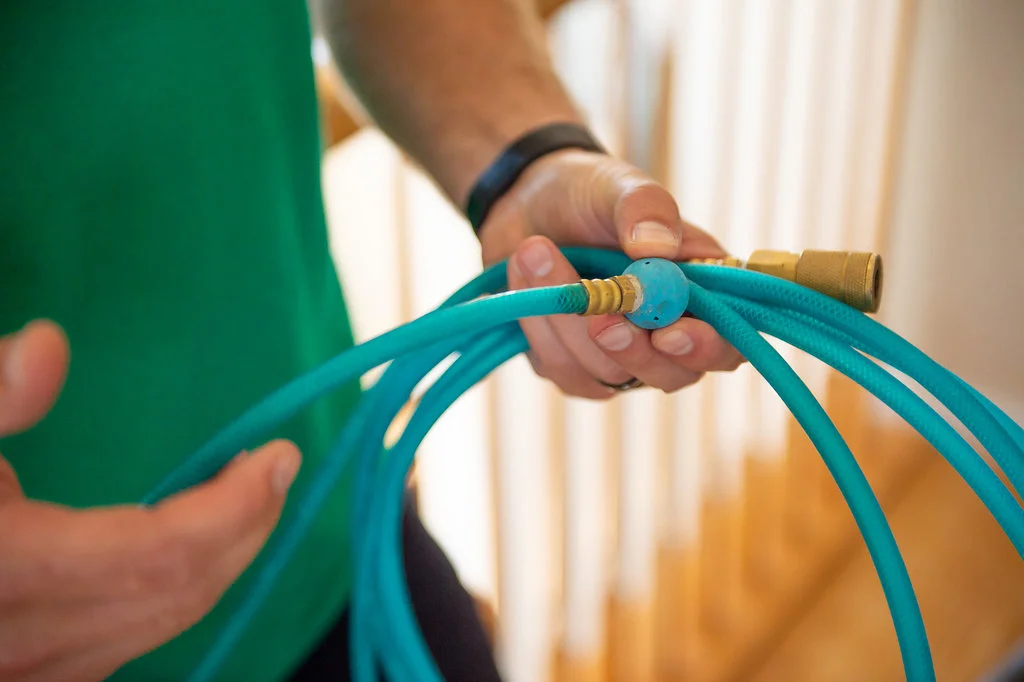
When learning how to clean ductwork properly, it’s essential to understand that technique matters. The right tools, training, and process can make all the difference. Letting the professionals handle it is better than taking care of the job yourself. Here’s why:
Tools and Techniques Used by Professionals
Professionals use a combination of specialized tools and proven methods to safely and effectively remove debris from air ducts. These systems are built to reach deep into ductwork without causing damage, while powerful vacuums collect contaminants before they circulate into the home. This is why hiring the best duct cleaning service is so important—they don’t just clean; they do it correctly.
- High-powered Vacuums: Captures dust, dirt, and debris while cleaning without releasing particles into the home.
- Reverse Air Machines and Whips: Considered the best air duct cleaning method, and used to dislodge debris deep inside the ducts.
- HEPA Filtration Systems: Prevents contaminants from being recirculated, ensuring that only clean air moves through your system afterward.
By combining these tools with trained technicians who know what type of air duct cleaning is best for your system, professional cleaning helps protect your HVAC equipment and indoor air quality.
Why DIY May Do More Harm Than Good
While it may seem tempting to try cleaning ducts yourself, especially with at-home kits widely sold online, DIY methods often fail to reach the full system and can damage sensitive components. In cases involving air duct cleaning, mold removal, or pest issues, improper handling can even worsen contamination. Knowing how to clean mold from ductwork safely is something only trained professionals should attempt.
- Limited Access: DIYers can’t reach the whole duct network, leaving debris that continues to affect air quality.
- Wrong Tools: Household vacuums or brushes are not designed for duct systems and can damage linings or dislodge insulation.
- Health Risks: Disturbing mold or pest waste without proper containment may worsen indoor air quality or spread contaminants.
So, while DIY might seem like a budget-friendly option, it often leads to patchy results—or worse, costly repairs. Whether cleaning mold from ductwork or dealing with dirty air ducts, calling in professionals is the safest and most effective option.
Minnesota’s Best Duct Cleaning Service
When considering the top air duct cleaning service Minnesota offers, Kura Home stands out for its honesty, high standards, and thorough results. We specialize in cleaning air ducts using safe, effective methods that don’t involve brushes or shortcuts—just clean air and restored airflow. Our trained team delivers consistent results with white-glove care.
Homeowners across Minnesota trust us for quality service and transparent pricing, especially when wondering if air duct cleaning is a scam—we’re proud to prove it’s not! If you’re searching for the best air duct cleaning that tackles buildup without damaging your system, you’re in the right place.
Our Other Services
At Kura Home, we offer a range of services that go beyond cleaning ductwork. We also offer:
- Dryer Vent Cleaning: Helps prevent fire risks and improves dryer efficiency.
- Air Conditioner Cleaning: Keeps your outdoor AC unit running smoothly by removing debris from the condenser coils.
- Routine Home Maintenance Plans: A quarterly service where you choose what gets done with our various a la carte options.
- Multifamily Home Maintenance: Tailored cleaning and upkeep services for apartment complexes and multi-unit properties.
What Sets Us Apart
Kura Home isn’t just another cleaning company—we’re your home’s trusted partner. Our team never cuts corners, and we don’t subcontract. We train every technician in-house and prioritize ongoing education, so your service is always consistent and safe. If you’re wondering how to clean ductwork correctly or what type of air duct cleaning is best, we’re happy to walk you through the process and show our work with before-and-after visuals.
- No Subcontractors, Ever: Every technician is Kura-trained, background-checked, and accountable.
- Reverse Air Method: We avoid negative air systems and harsh brushes, using a high-pressure reverse air process for a deeper clean.
- Customer-First Service: We treat your home with the same care we’d want for our own.
From the moment we step into your home to the final vacuumed vent, our goal is to give you peace of mind and cleaner air you can feel. Whether you’re booking your first service or returning for your next, you can trust Kura Home to deliver honest answers, reliable results, and unmatched care every time.
Conclusion: The Pros and Cons of Air Duct Cleaning
When it comes to air duct cleaning pros and cons, the decision ultimately comes down to your home’s needs. Clean ducts can lead to better airflow, fewer allergy symptoms, and a more efficient HVAC system, but improper service or unnecessary cleanings can be costly and even damaging. That’s why choosing a trusted professional makes all the difference.
At Kura Home, we make air duct cleaning straightforward, safe, and effective using the reverse air method and professional-grade tools—no gimmicks, no guesswork. Ready to breathe easier? Call us today or get a free quote online to schedule your air duct cleaning with Minnesota’s trusted pros.
FAQs About Air Duct Cleaning Pros and Cons
Is air duct cleaning a scam?
Air duct cleaning is not inherently a scam, but the industry does have its share of misleading providers who overpromise results or use bait-and-switch pricing. When done properly by trained professionals, it can improve air quality and HVAC efficiency, helping with issues like mold, dust, or even pest infestations.
What type of air duct cleaning is best?
The reverse air method is widely considered the best air duct cleaning technique for residential homes. It uses powerful negative pressure and high-pressure air to dislodge and remove debris safely and thoroughly. This method avoids aggressive brushes and instead uses controlled airflow to clean without damaging the ductwork.
How does air duct cleaning and mold removal work together?
Air duct cleaning and mold removal often go hand in hand because mold spores thrive in dirty ductwork’s dark, damp environment, especially when there’s trapped moisture or poor ventilation. It’s best to hire a professional to treat affected areas with EPA-approved antimicrobial solutions (when safe and applicable) to help eliminate and prevent future mold growth.
How do you clean ductwork without causing damage?
Professionals use the reverse-air method combined with HEPA-filtered vacuums to avoid damaging ducts, especially in systems made with fiberglass or flexible materials. The key is to skip DIY brush kits and hire certified technicians who understand duct materials, system design, and proper sealing techniques.
FAQs About Kura Home
What makes Kura Home the best duct cleaning service in Minnesota?
Kura Home stands out by delivering high-quality, white-glove service with trained, background-checked technicians. We use a transparent, vent-based pricing model and reverse air method to thoroughly clean your ducts without cutting corners.
Does Kura Home offer air duct cleaning and mold removal together?
Kura Home provides air duct cleaning with an optional add-on sanitization service that helps address surface-level mold concerns inside ducts. While we do not offer mold remediation, our service can reduce the presence of mold spores and improve indoor air quality.
How does Kura Home clean ductwork without using brushes?
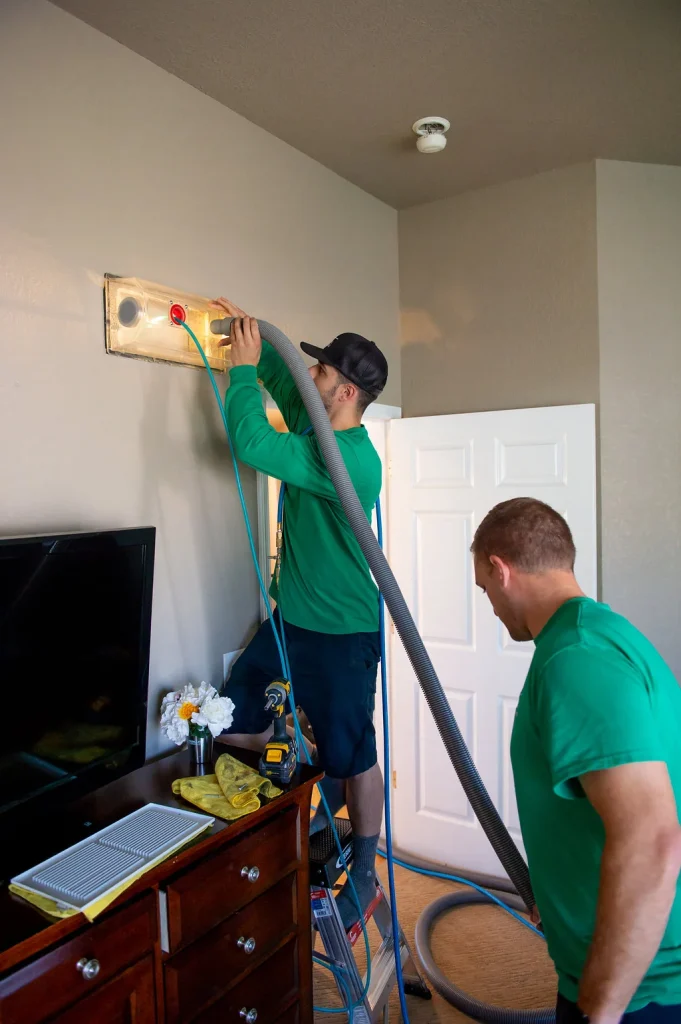
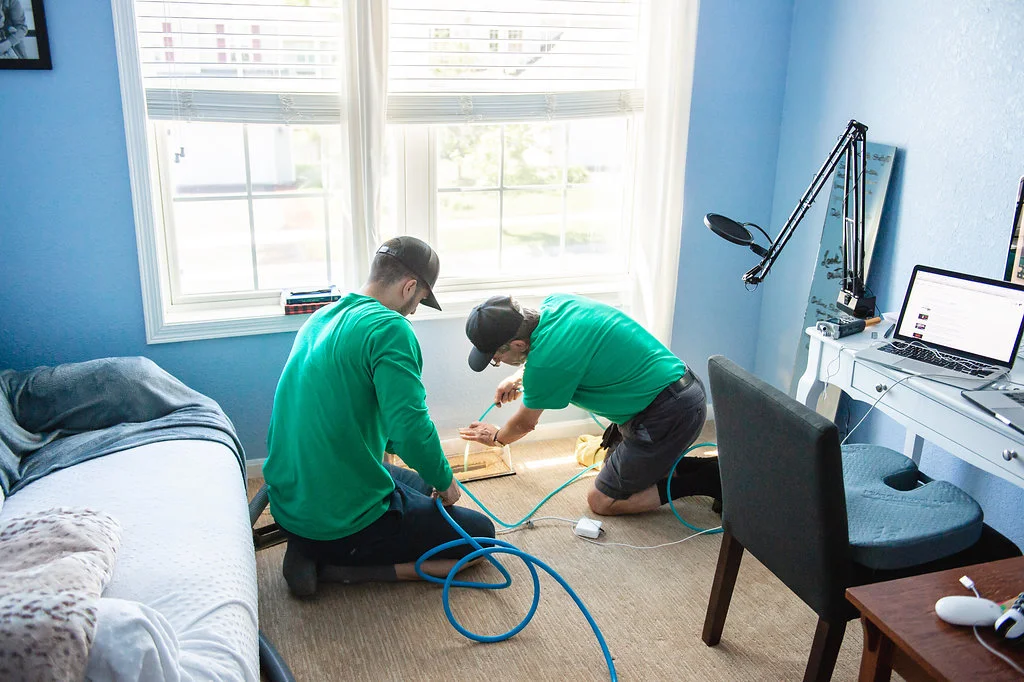
No. We never use brushes to clean your air ducts because they are more likely to damage the system. We use air whips and a specialized dome system to dislodge dust and debris inside the ductwork, which are then vacuumed using reverse air. This process avoids the damage and complications that brush-based methods can cause, especially in flexible or older duct systems.
What cities does Kura Home serve?
Kura Home proudly serves homeowners and businesses across the Twin Cities metro and surrounding areas in Minnesota. Our services are available in cities like Minneapolis, St. Paul, Forest Lake, Maple Grove, Eden Prairie, Brooklyn Center, Elk River, and dozens more.
How do I get a quote from Kura Home for air duct cleaning?
To get a quote, simply call us and let us know how many vents are in your home—our pricing is based on vent count, not system condition. We’ll walk you through the details, answer any questions, and schedule your service if you proceed.


